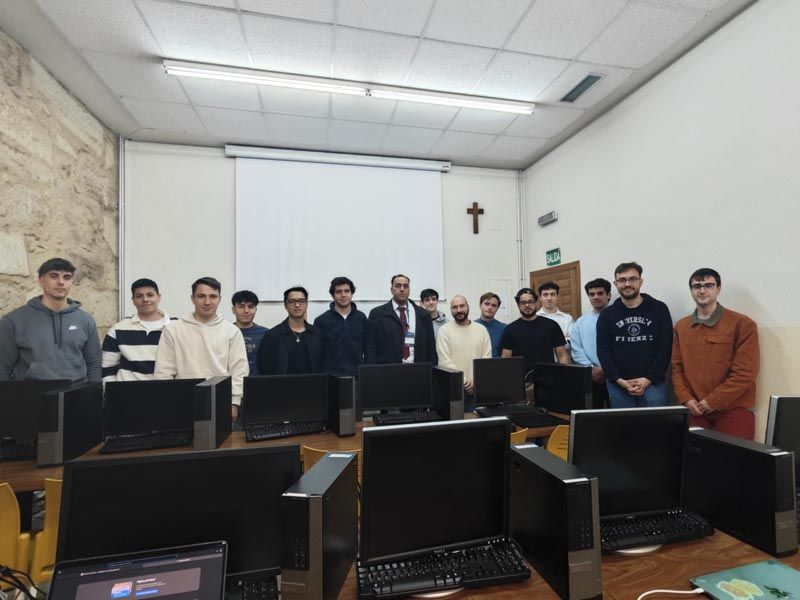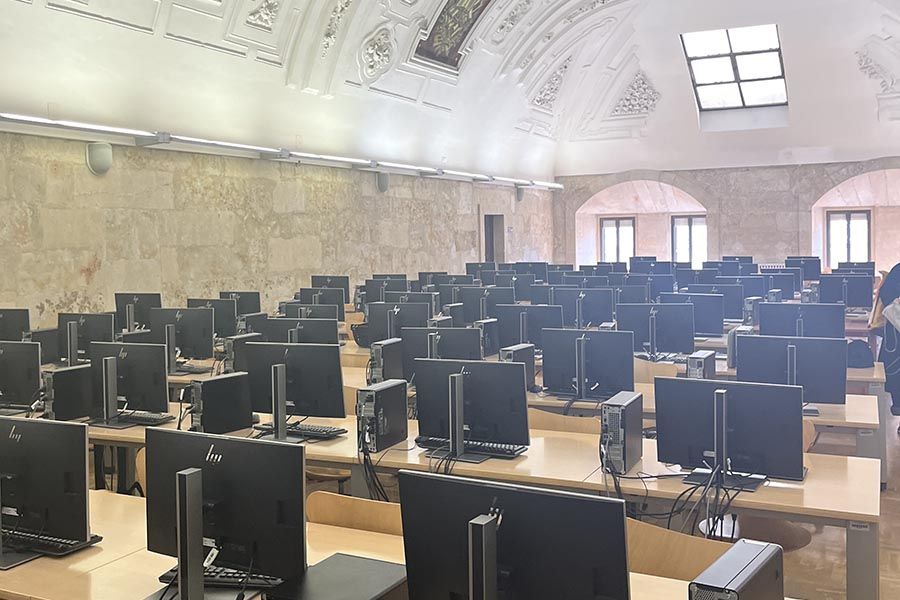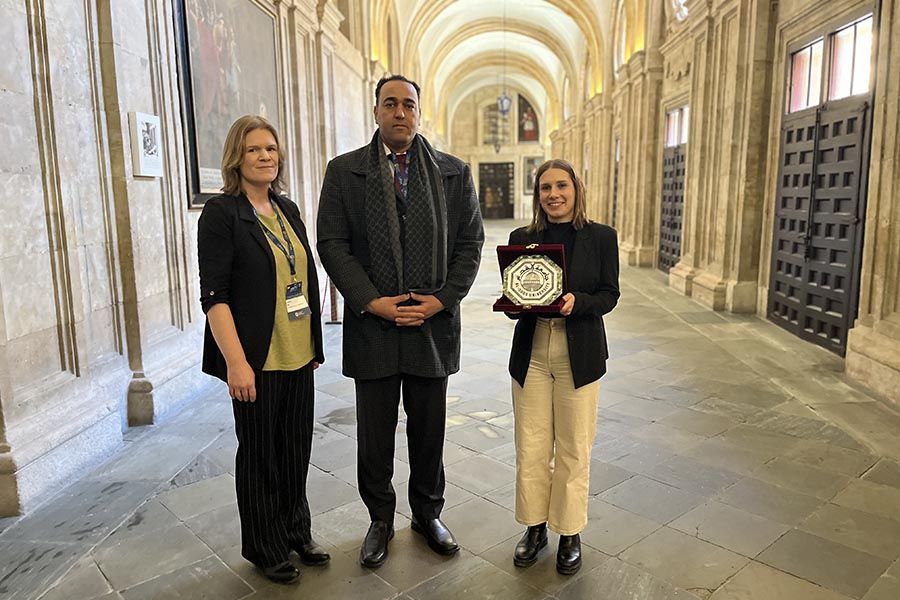

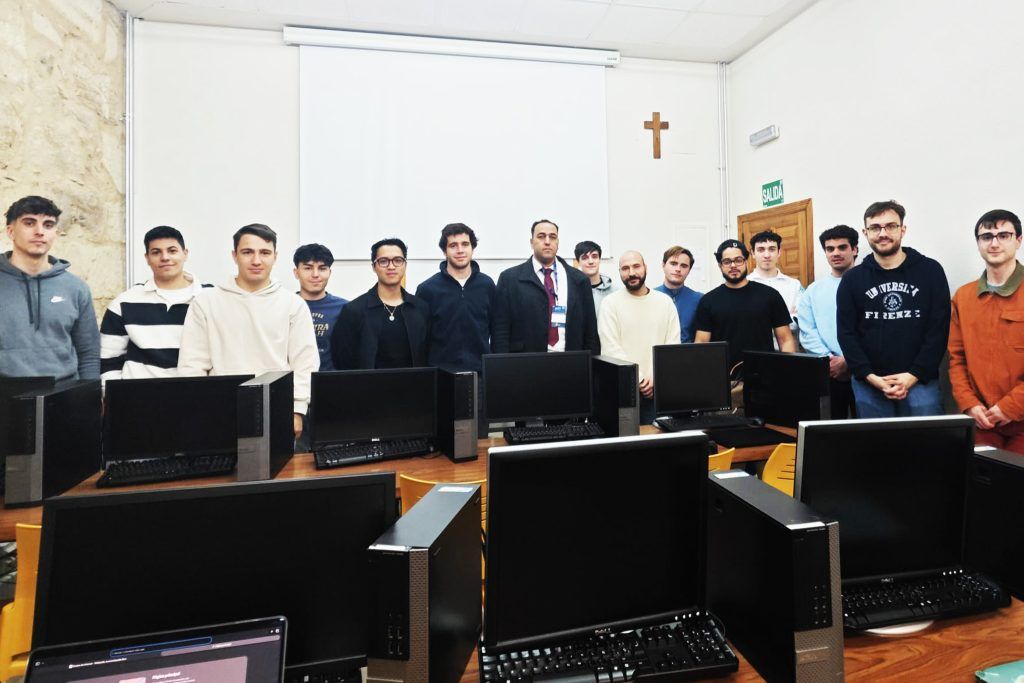
In a strategic move to bolster its global research presence and expand its network of international academic partnerships, Al-Quds University scholar Dr. Mohammad Jamous, an expert in Computer Science and Artificial Intelligence, was hosted by the University of Salamanca in Spain. Dr. Jamoos delivered a series of advanced scientific lectures to computer science students at the university’s Salamanca campus.
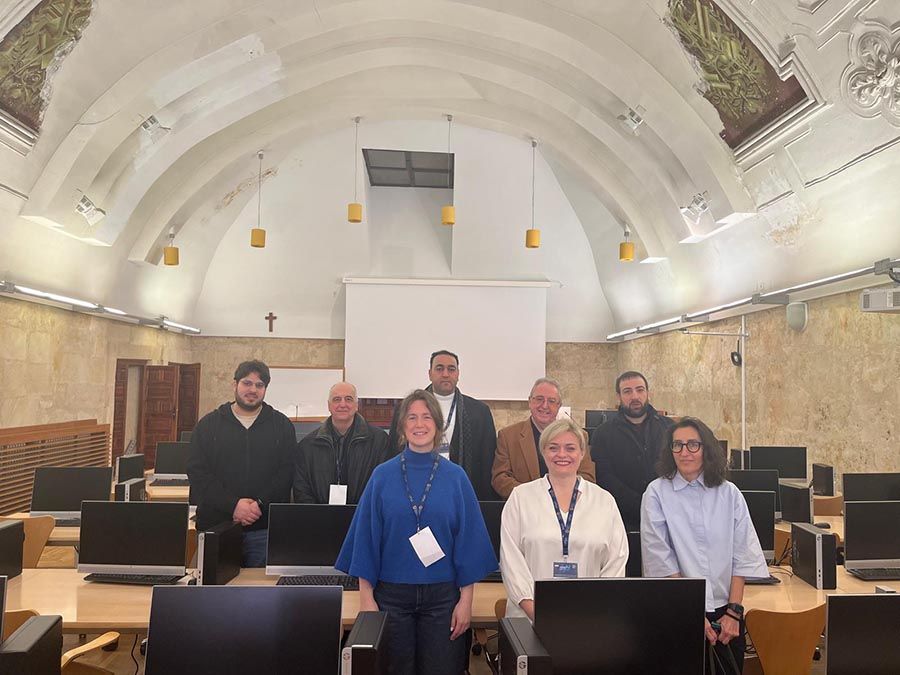
The visit featured Dr. Jamous’s participation in the 4th International Staff and Teaching Week, hosted by the Pontifical University of Salamanca (UPSA). This year’s forum focused on “Artificial Intelligence in Higher Education: Benefits and Challenges for Universities,” serving as a premier platform for exchanging insights on integrating smart technologies into academic systems to keep pace with rapid technological transformations.
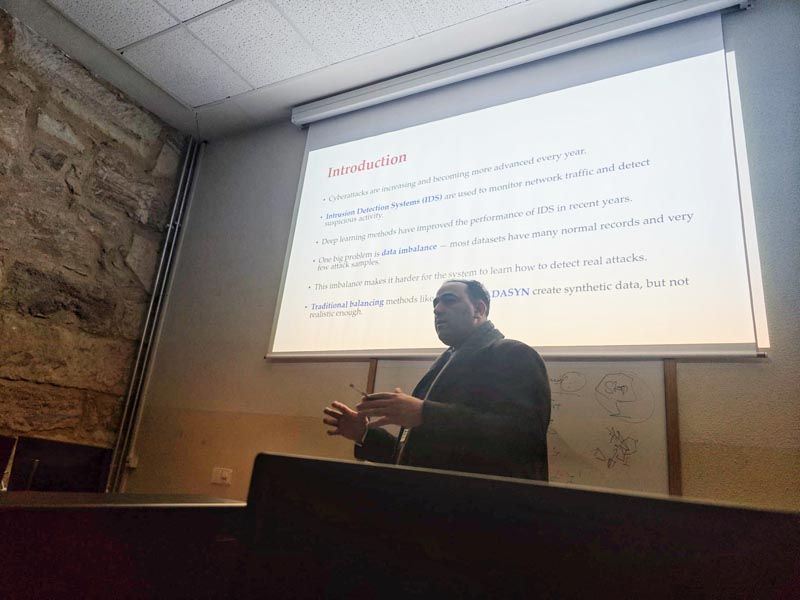
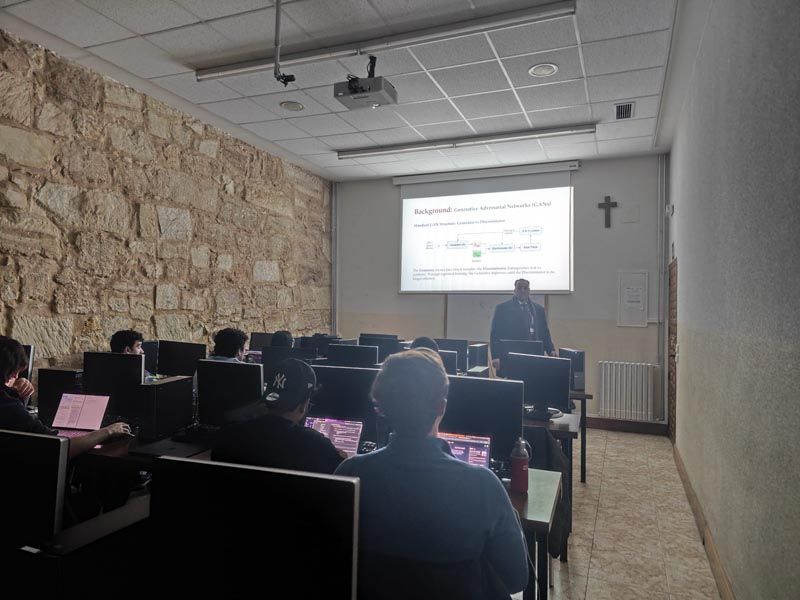
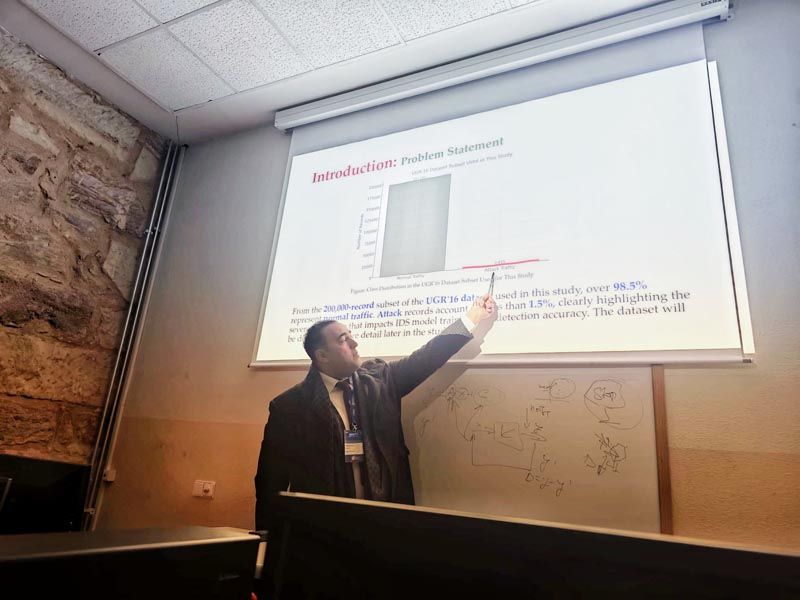
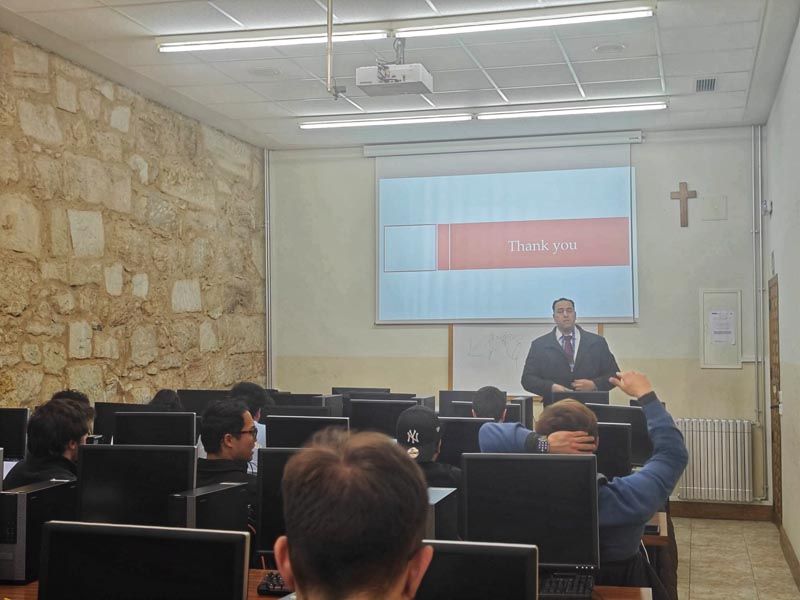
Dr. Jamous’s lectures explored the latest trends in Artificial Intelligence and Deep Learning, with a specific focus on Generative Adversarial Networks (GANs). He also addressed practical applications in intelligent intrusion and unreliability detection, providing interactive demonstrations of advanced methodologies that open new horizons for research and application in these critical fields.
During the sessions, prospects for future cooperation between the University of Salamanca and Al-Quds University were discussed. These talks covered academic exchange programs, joint research initiatives, and the exchange of expertise between students and faculty members to enhance applied scientific research and develop student skills in computing and AI.
The scientific content presented by Dr. Jamoos reflected the high caliber of Al-Quds University’s computing programs. His sessions garnered significant engagement from both academic staff and students, particularly regarding the innovative solutions he proposed for complex cyber and technical challenges.
This collaboration aligns with Al-Quds University’s vision to solidify its position as a regional hub for research and innovation. By enabling its academics to engage with advanced global research environments, the university continues to strengthen Palestine’s academic standing on the international stage and place it at the heart of the global digital revolution.